PMMA – Polymethyl Methacrylate
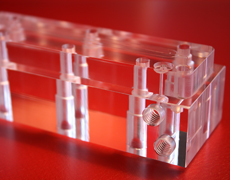
PMMA is an amorphous thermoplastic polymer with outstanding optical properties, making it an excellent choice for applications where high transparency and visual clarity are required. Often referred to as acrylic or acrylic glass, PMMA combines excellent weather resistance with high surface quality and long-term optical performance.
Chemical Designation
Polymethyl Methacrylate
Abbreviation
PMMA
Natural Color and Additives
- Clear, transparent
- Colorless
Available Forms
- Rods
- Square bars
- Sheets
- Tubes
- Patterned sheets
- SDP and S3P multiwall sheets
- Adhesives and fabrication accessories
- Finished products, machined or thermoformed
Key Properties
- Excellent outdoor weather resistance
- Good surface hardness
- Very high transparency
- Easy to bond
- High stiffness
- High surface gloss
- Good scratch resistance
- Resistant to alkaline solutions, diluted acids and many oils
- Low moisture absorption
- Good UV resistance
Typical Applications
PMMA is widely used in:
- Glazing applications
- Solar collector covers
- Signage and advertising displays
- Furniture and interior design components
- Sanitary products
- Lighting fixtures
- Protective covers and housings
- Instrument and equipment manufacturing
- Architectural applications
Typical Products
- Illuminated signs
- Retail displays and shop fittings
- Sign holders and brochure stands
- Windows and protective glazing
- Bathtubs
- Automotive tail lights
- Aircraft canopies
- Optical lenses
- Exhibition stands
- Tables and furniture components
- Medical equipment
Typical Benefits
- Excellent optical clarity and light transmission
- Outstanding resistance to weathering and UV exposure
- Lightweight alternative to glass
- Attractive high-gloss surface finish
- Easy fabrication through machining, bonding and thermoforming
- Suitable for both indoor and outdoor applications
Considerations
PMMA offers excellent transparency and weather resistance but is less impact-resistant than polycarbonate (PC). Material selection should therefore take into account the mechanical and safety requirements of the application.